
Why Strategic Narratives Drive Trust, Influence Decisions and Deliver Measurable ROI
Corporations Don’t Compete on Products — They Compete on Meaning.
In today’s markets, corporations are not just differentiated by features, pricing or even innovation alone. Those advantages are easily replicated. What cannot be replicated is a credible, emotionally resonant story that aligns purpose, people and performance.
Storytelling in corporate marketing is not a “branding nice-to-have.” It is a strategic communication tool that influences buying decisions, investor confidence, employer branding, internal alignment and long-term brand equity.
Corporations that master storytelling don’t just communicate — they shape perception, build trust and drive action.
What Corporate Storytelling Really Means (And What It Is Not)
Corporate storytelling is not advertising fluff, scripted slogans, or overly polished brand videos.
True corporate storytelling is:
- The strategic articulation of why the company exists
- How its values translate into real-world impact
- How its people, clients and stakeholders experience the brand
- How the organisation solves problems and creates value over time
It connects:
- Strategy to emotion
- Data to meaning
- Brand promise to lived experience
Why Storytelling Is So Powerful in Corporate Marketing
1. Stories Drive Decision-Making at an Emotional Level
Despite corporate buyers being rational, data-driven professionals, neuroscience proves that decisions are emotionally driven and later justified with logic.
Well-crafted stories:
- Activate emotional memory
- Improve information retention
- Increase persuasion and trust
- Reduce perceived risk in high-value decisions
Business impact: Higher conversion rates, stronger client confidence and faster decision cycles.
2. Storytelling Builds Trust in an Era of Skepticism
Modern audiences distrust:
- Over-polished corporate messaging
- Generic mission statements
- Claims without proof
Storytelling grounded in real people, real challenges and real outcomes humanises corporations and builds authenticity.
Business impact: Stronger brand credibility, improved stakeholder trust and reputational resilience during crises.
3. Stories Align Internal and External Audiences
Effective corporate storytelling is not just external-facing. It:
- Aligns employees with vision and purpose
- Reinforces culture and values
- Improves internal engagement and retention
Business impact: Higher employee advocacy, reduced turnover and stronger brand consistency across departments.
Benefits of Producing Corporate Storytelling In-House
1. Deep Brand Immersion and Control
Internal teams:
- Understand company culture, language and politics
- Have direct access to leadership and subject-matter experts
- Can respond quickly to internal communication needs
Value: High alignment with internal messaging and faster approvals.
2. Cost Efficiency Over Time
Once infrastructure is established, in-house production:
- Reduces per-project costs
- Enables frequent content creation
- Supports always-on storytelling strategies
Value: Lower long-term content production costs for large volumes.
3. Internal Knowledge Retention
In-house teams build institutional knowledge that compounds over time.
Value: Consistency and continuity across campaigns and years.
ROI of In-House Storytelling
Best suited for:
- Large enterprises with constant content needs
- Internal communications, employer branding, updates and training
ROI indicators:
- Reduced external agency spend
- Faster turnaround times
- Improved internal engagement metrics
- Consistent brand messaging
Hidden costs to consider:
- Salaries, benefits and training
- Equipment and software upgrades
- Creative stagnation risk
- Limited objectivity and innovation
Corporations Don’t Compete on Products — They Compete on Meaning.
Benefits of Outsourcing Corporate Storytelling
1. Strategic Objectivity and Fresh Perspective
External production partners bring:
- Unbiased strategic insight
- Audience-first thinking
- Experience across industries and markets
They see what internal teams often miss.
Value: Sharper narratives, stronger positioning and clearer messaging.
2. Access to Senior-Level Expertise
Outsourcing provides immediate access to:
- Story strategists
- Directors and creative leads
- High-end production capabilities
- Advanced post-production workflows
Value: Enterprise-level storytelling without enterprise-level overhead.
3. Scalability and Flexibility
External partners scale up or down as needed:
- Campaign launches
- Rebrands
- ESG initiatives
- Investor communications
- Product or market expansions
Value: Predictable costs with no long-term staffing commitments.
4. Higher Production Value and Market Impact
Professional storytelling partners are designed to deliver:
- Cinematic visuals
- Strong narrative arcs
- Emotionally engaging content
- Platform-optimized storytelling
Value: Content that performs across marketing, PR, investor relations and sales.
ROI of Outsourced Corporate Storytelling
Best suited for:
- Brand campaigns
- Thought leadership
- ESG and purpose-driven narratives
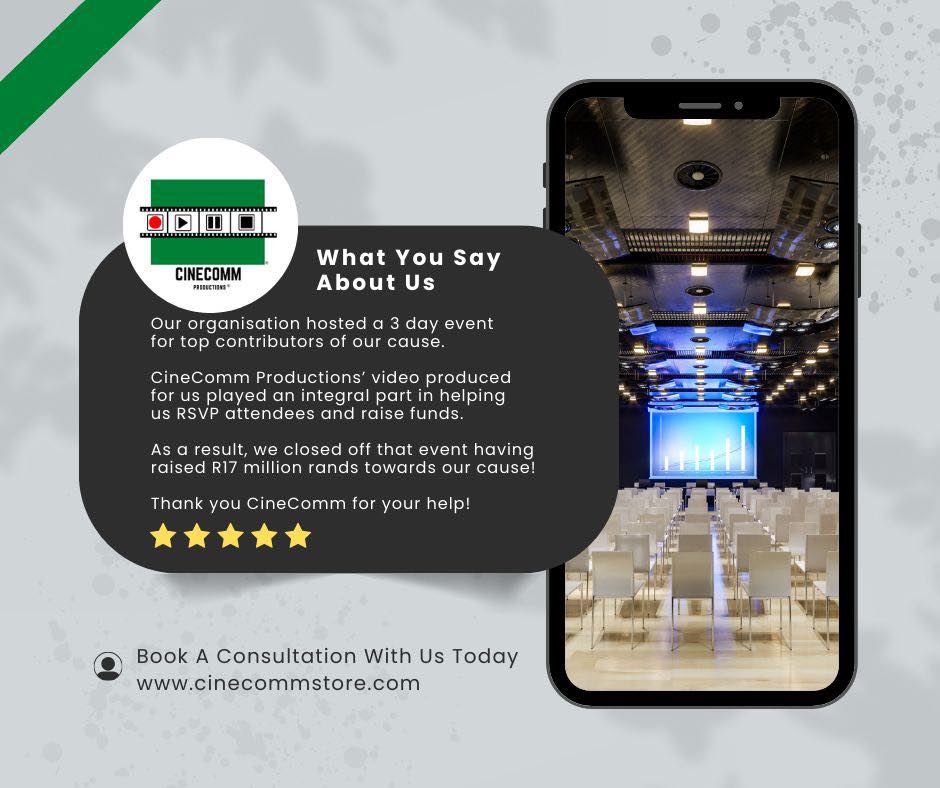
- Client testimonials
- Corporate films and flagship content
ROI indicators:
- Increased engagement and watch time
- Improved lead quality
- Higher conversion rates
- Stronger brand recall
- Positive investor and stakeholder feedback
Strategic advantage: Outsourced storytelling often delivers multipurpose assets usable across marketing, sales, HR and PR — multiplying ROI.
In-House vs Outsourced: The Smart Corporate Model
The most effective corporations do not choose one or the other.
They adopt a hybrid model:
- In-house teams handle ongoing, operational content
- External partners lead high-impact storytelling initiatives
This approach balances:
- Cost efficiency
- Strategic clarity
- Creative excellence
- Long-term brand growth
Conclusion: Storytelling Is a Corporate Asset, Not a Creative Expense
Storytelling is no longer about “telling your brand story.” It is about strategically shaping how your organization is understood, trusted and chosen.
Corporations that invest in storytelling:
- Win trust before they sell
- Differentiate beyond price and features
- Build long-term brand equity
- Achieve stronger ROI across marketing, HR and investor relations
Whether produced in-house, outsourced or through a hybrid approach, storytelling is one of the highest-leverage tools in modern corporate marketing.
Storytelling Is a Corporate Asset, Not a Creative Expense
Those who treat it strategically lead markets.
Those who ignore it become invisible.
Book A Free Consultation Today.